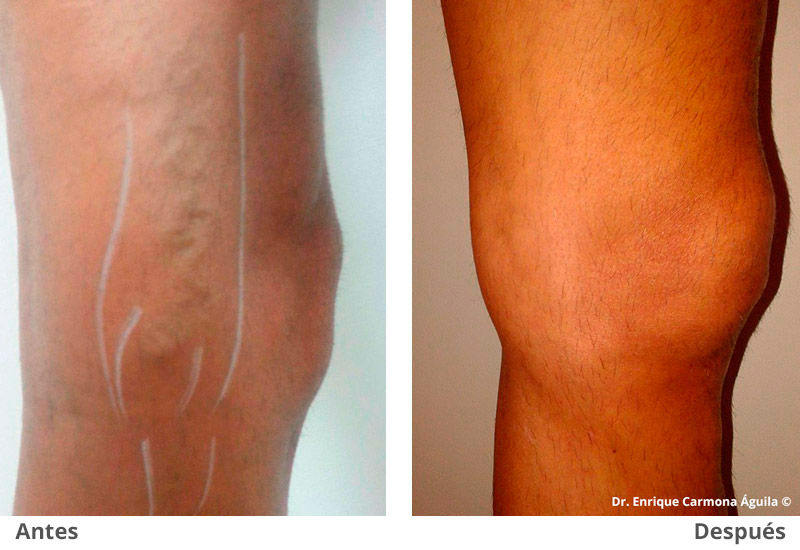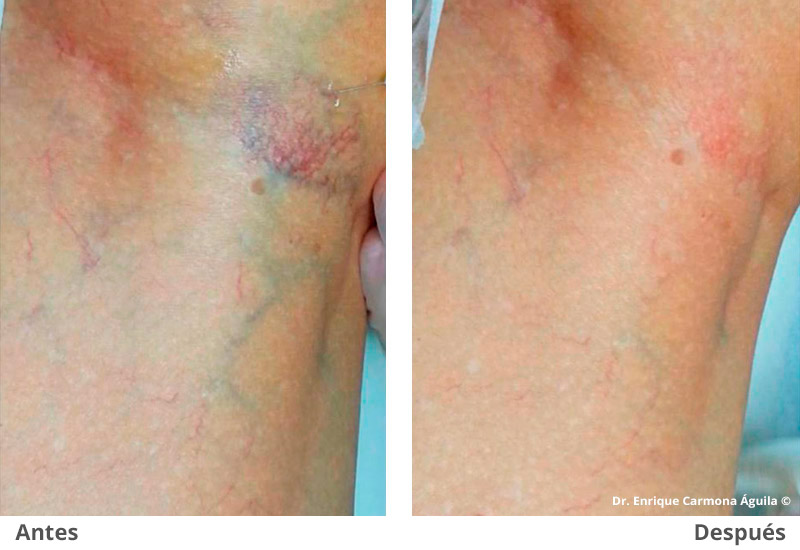

Varicose veins are a condition that mainly affects the veins in the legs. Due to various factors, the veins become enlarged, dilated, and twisted. This causes blood circulation problems that can be very harmful to health. Symptoms of venous insufficiency include heavy legs, cramps, itching, and even severe pain.
One in ten people suffers from them, being more common in women, especially due to pregnancy and hormonal changes.
Varicose veins are caused by malfunctioning valves in the leg veins. These valves help blood flow toward the heart. However, if they fail, blood pools in the veins, enlarging them and rendering them insufficient (they no longer function properly).
The natural posture of people for most of the day is sitting or standing. In bed, most people spend no more than 7–8 hours. That means we spend about two-thirds of our time in positions that promote the development of varicose veins.
No treatment should begin without a prior Doppler examination (a painless study of venous or arterial circulation). Once diagnosed, each patient’s individual circumstances must be assessed, and treatment should be entrusted to a specialist.
Treatment of spider veins or small varicose veins—painless, non-surgical, and low-risk. A product is injected that causes these small veins to close and be reabsorbed. It’s important to keep in mind that habits such as physical exercise and compression stockings will be essential allies to maintain results and prevent the appearance of new varicose veins.
In some cases, oral treatment and/or the use of compression stockings will be recommended to improve and prevent the appearance of new varicose veins.